What can you learn from Verona’s Museo Lapidario Maffeiano?

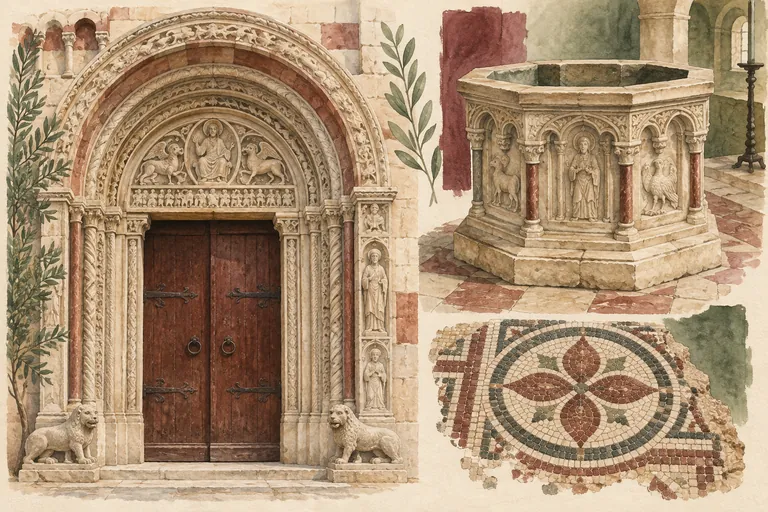
Verona’s Museo Lapidario Maffeiano rewards a change of pace. Near the great public spectacle of the Arena, carved stones offer another route into the past: names, images, memorials and fragments that once belonged to particular lives and places. You do not have to translate every inscription to find the collection engaging. Begin by asking why someone wanted words or a portrait to remain visible.
This is a good choice for a visitor who enjoys close looking and questions with more than one layer. Our guide to Roman Verona beyond the Arena gives the wider context, while a lapidary museum encourages attention to evidence on a smaller scale.
Notice the museum’s own history
The museum’s official history explains Scipione Maffei’s eighteenth-century project and its public purpose. The institution was intended to safeguard material that might otherwise be dispersed through the fate of private collections. The museum is therefore evidence of ancient cultures and of later ideas about collecting, study and public access.
That second story is easy to miss. Ask why these objects were brought together and what changes when a fragment moves from its original setting into an arranged collection. Display makes comparison possible, but it also separates an object from the building, grave or landscape in which it once functioned. A thoughtful visit keeps both conditions in mind.
Read an inscription without pretending to translate it
Start with what is visible. How large are the letters? Are they carefully aligned? Does a border frame the text? Is the stone complete, or does a broken edge interrupt it? These observations establish useful questions before you read a label. Even the space given to a name can suggest that the arrangement was deliberate rather than casual.
Then use the museum’s explanation to test your first impressions. An abbreviated formula may need specialist knowledge, and a missing section should not be filled in simply because a sentence seems likely. The enjoyable part is seeing how evidence supports an interpretation. Being able to say “I cannot tell from this fragment alone” is a good historical skill, not a failed visit.
Look at people as well as lettering
Where a relief includes a figure, consider how the person is presented. Clothing, posture, tools or surrounding objects may attract attention, but an image is a chosen representation, not a candid photograph. A memorial can express relationships, aspirations or status in ways that need interpretation. Read the accompanying description before assigning a precise occupation or life story.
This approach can make a family visit lively without turning the stones into props. Ask each person to choose one detail and explain what question it raises. Our Verona family planning guide can help you balance such focused looking with a break outside. Keep hands away from surfaces and follow the museum’s rules.
Arrange the ticket before reaching the entrance
The civic museums’ current visitor arrangements and the Maffeiano visit page state that there is no ticket office at the museum itself. They direct visitors to the official online channel or other civic museum ticket offices. Confirm the current route before setting out rather than assuming you can buy admission at this door.
Also check opening days, last admission, accessibility information and any temporary changes. If using a city card, verify the specific inclusion and any remaining booking steps. Our Verona Card guide helps with the comparison, but an included museum still has its own operating arrangements.
Connect the visit without crowding it
The museum can complement Arena sightseeing, but the two stops require separate attention to tickets and schedules. A daytime monument visit does not include a performance. Our Arena tour versus opera guide keeps those choices clear. Leave enough space to enjoy the change from monumental scale to individual objects.
If Turin is also on your trip, the Porta Palatina introduction provides a useful contrast between a standing gateway and museum evidence. Browse our Verona history experiences for a guided perspective, checking actual admission inclusions. A rewarding Maffeiano visit need not exhaust every label; following a few objects carefully can make ancient Verona feel more human.
Sources & further reading
Turn a good read into a great day.
Find a highly rated Veronese experience that brings these stories to life.
Explore related experiences →