How do you plan Verona with children?
Planning Verona with children works best when you begin with the particular children in your group rather than a generic list of family attractions. Some love stories and dramatic buildings; others prefer making food, spotting animals in sculpture or simply having room to move. Choose one experience that fits their interests, keep the connections manageable and allow the day to change. A plan that can shrink gracefully is often more useful than a plan that looks impressive on paper.
Make the route understandable
Give the day a simple shape that everyone can picture: one main visit, a meal and a short walk, with pauses between. Explain where you are going next without reciting the entire itinerary. A clear beginning and end can make a guided experience easier for younger travelers to enjoy, particularly when they know a snack or playground break follows.
Our short-visit ideas offer a compact approach that works well beyond stopover travel. Keep the distance between activities in the calculation. A short tour reached by a long, hot walk may demand more energy than a longer experience close to your accommodation.
Choose participation when it suits the group
A cooking or gelato-making class can offer something to do with hands as well as eyes. Check minimum ages, the tasks children actually perform and how accompanying adults participate. A class suitable for teenagers may not have the same arrangement for a younger child. Ask the operator about the specific ages traveling rather than relying on the broad word “family.”
Our food experiences include several formats. Confirm dietary requirements and whether the finished food forms a meal. If the group prefers a walk, look for a guide whose description suggests an appropriate pace and way of presenting the material. A private format can sometimes help, but it does not automatically guarantee child-focused content.
Turn observation into a small game
A bridge, square or façade can become interesting through a manageable question. Count arches, look for a particular shape or compare two different building materials. Keep the task short enough to remain playful. Children do not need a lecture at every stop, and adults often notice more when the question is concrete.
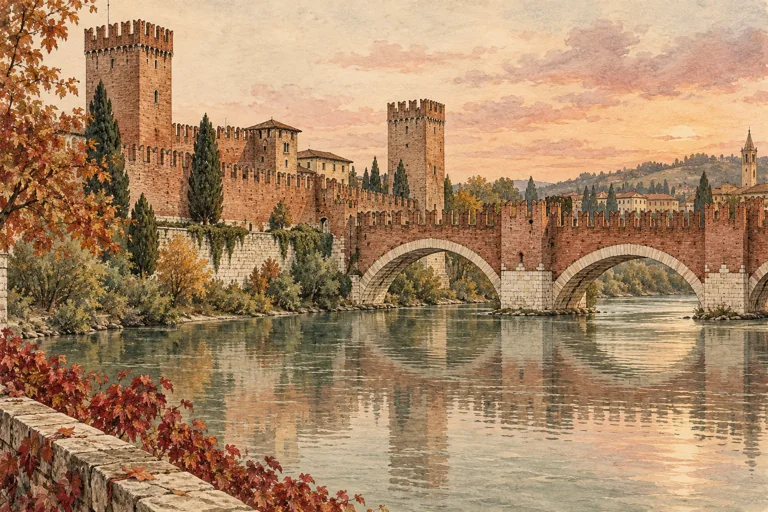
A Ponte Pietra walk can provide a focus, with close supervision near water and traffic. Set meeting points and keep stopping places out of narrow pedestrian routes. The aim is to help children engage with a living city while respecting the people who use it every day.
Check age rules for the exact ticket
Admission, performance and tour age bands can differ. The homepage’s adult availability filter does not replace the full party selection for a booking that includes children. Continue to the selected product’s complete options and confirm everyone’s age category, inclusions and final total before payment.
If considering an Arena performance, use the current official rules and the specific sector conditions. Age access is not the only question: consider the length, evening timing, seating and whether your child will enjoy listening quietly for that period. A daytime landmark visit or shorter cultural experience may be a better fit for some families.
Ask precise questions about access
Historic routes can include steps, uneven paving and tight spaces. If using a stroller, ask about the actual route rather than whether an attraction is broadly described as accessible. Giardino Giusti, for example, has different levels with differing access characteristics. Our garden guide explains why the lower and upper areas should not be treated as identical.
Think about practical needs before they become urgent: water, shade, toilets, a seat and the possibility of returning early. A group’s pace is usually set by the person who needs the most rest. Planning around that reality makes the day more enjoyable for everyone, including the adults hoping to learn something.
Keep one easy exit from the plan
Choose which optional stop you would drop if energy falls or the weather changes. Let a café pause or an early meal count as part of the trip, not as failure to finish the itinerary. Our two-day Verona guide shows how spreading interests across separate days can help.
At the end, ask everyone for one thing they noticed or enjoyed. The answers may have little to do with the most famous monument, and that is useful information for the next day. A successful family visit creates room for those individual discoveries while keeping the practical framework calm, clear and kind.
Sources & further reading
Turn a good read into a great day.
Find a highly rated Veronese experience that brings these stories to life.
Explore related experiences →