How should you explore Palazzo Maffei in Verona?

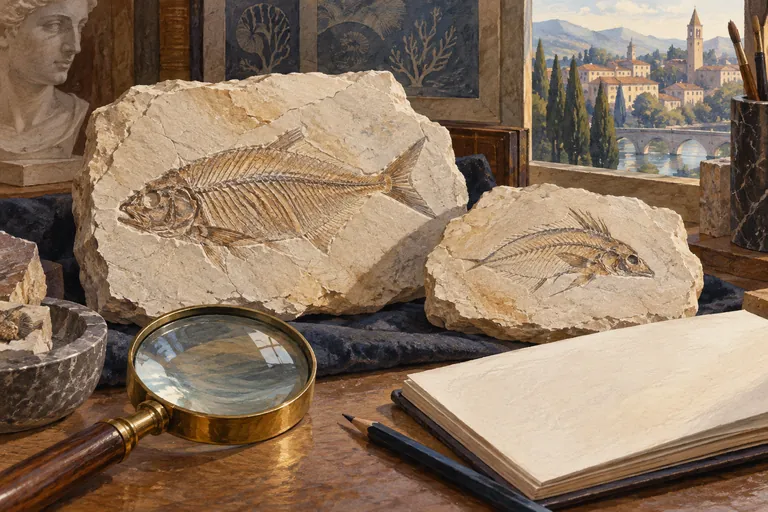
Palazzo Maffei is a rewarding choice when you want a Verona museum visit built around looking rather than rushing between famous names. Its collection brings together works from different periods and media inside a historic palace. That variety can feel inviting if you give yourself a small purpose: find a conversation between two objects, then spend enough time to understand why it interests you.
The museum’s official collection introduction describes Luigi Carlon’s wide-ranging interests and the dialogue between older art and modern or contemporary work. Paintings sit within a broader world of sculpture and decorative objects. You do not need to arrive with a complete timeline in your head to begin noticing relationships.
Let the first room set a manageable pace
Before reading every label, look at how the space is arranged. Which object catches your attention, and is that because of its size, color, position or subject? Spend a little time with it, then read the accompanying information. Starting with your own observation makes the label an answer to a question rather than another block of text to consume.
Choose a second object that seems different. Perhaps one work suggests depth while another emphasizes a flat surface, or one is highly detailed while another relies on a few shapes. You do not have to decide which is better. Describing the difference is already a useful piece of art looking, and it gives everyone in your group a way into the discussion.
Notice the room as well as the artwork
A collection in a palace is experienced through doors, light, floor surfaces and changes of scale. Pay attention to how one room prepares you for the next. Keep the building and the objects conceptually separate, though: an artwork displayed in a historic interior did not necessarily originate there, and a convincing visual pairing is not proof of a shared date.
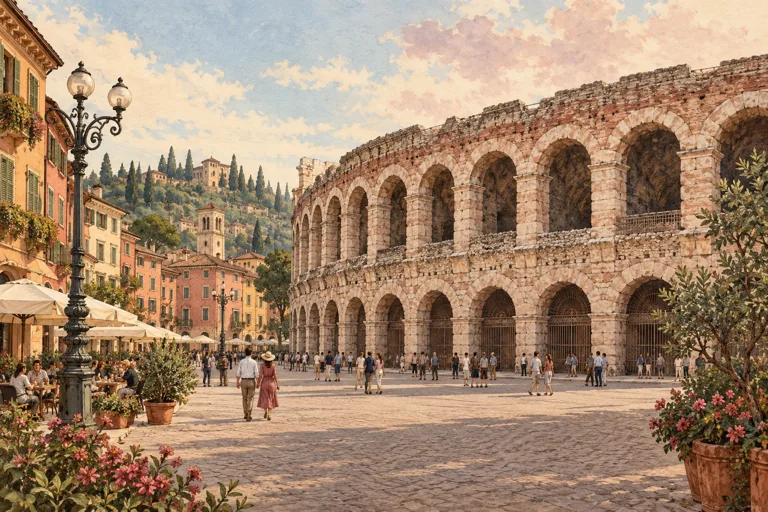
Our Piazza delle Erbe guide provides a useful companion once you return outside. The square is another place where different periods meet, but it operates as a living public space rather than a curated collection. Comparing the two helps you notice how context changes the way you look.
Choose a few works instead of a completion target
For a first visit, try remembering three things: an object that surprised you, a detail you initially missed and a question you would like to investigate later. This creates a personal route without pretending that every visitor should respond to the same works. If you are traveling with someone, compare choices at a natural pause rather than interrupting each other constantly.
With children, ask for one visible detail and one imaginative response, then keep those different. “I can see a curved shape” and “it reminds me of a shell” are both useful observations, but they make different claims. Avoid turning the visit into a quiz in which only an adult’s preferred interpretation counts.
Read the ticket conditions carefully
The museum’s ticket page lists the current options and identifies a reduced rate for Verona Card holders. Do not assume that the card means free entry here. Also distinguish ordinary admission from guided visits or any additional terrace experience, and check what the exact option includes before purchasing.
Our Verona Card planning article helps you compare the card against the places you genuinely intend to visit. A discount is useful when the museum belongs in your day already; it should not be the sole reason to squeeze another substantial visit into a crowded afternoon.
Check access, opening days and comfort
Consult the museum’s visitor information for the current timetable and access arrangements. Tuesday is normally listed as a closure day, subject to the museum’s published exceptions. Its information describes lifts and ramps, but anyone with particular requirements should confirm the route and facilities they need rather than inferring that every optional area is identical.
Keep bags manageable, follow photography rules and leave room for other visitors to see the works. If the weather is poor, our rainy-day Verona guide can help you arrange the rest of the day. An indoor plan still needs walking time between addresses and a pause that is not spent staring at another label.
Connect the visit without overfilling the day
For a different museum approach, read our Castelvecchio guide and decide whether to save it for another day. Browse the Verona arts and events collection for guided options, checking the named venues and admissions rather than assuming a city tour enters every palace it passes.
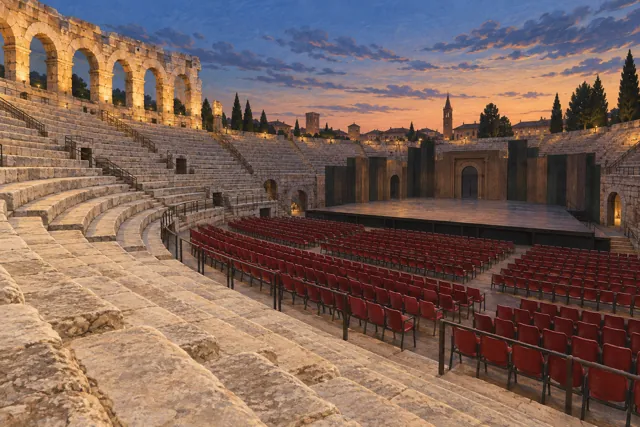
If an Arena booking follows, remember that daytime sightseeing and an actual performance are separate products with different schedules. Give Palazzo Maffei its own space before moving on. A successful visit can leave you with fewer photographs and a more precise memory of what you saw, which is a rather good exchange.
Sources & further reading
Turn a good read into a great day.
Find a highly rated Veronese experience that brings these stories to life.
Explore related experiences →